

Mobile Eye Care
How It Works
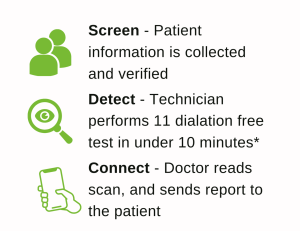
The Globe is operated by a trained technician who guides the patient through the screening process. All testing is performed without dilation (no eye drops) and without touching the eye. These tests are all performed using the same sophisticated high-quality instrumentation found in our eye doctor’s office.
The screening exam detects glaucoma, diabetic retinopathy, macular degeneration, and cataracts, which are the four leading causes of blindness in the US. It also identifies a range of other eye and systemic diseases, such as diabetes, high blood pressure, carotid artery disease, etc.)
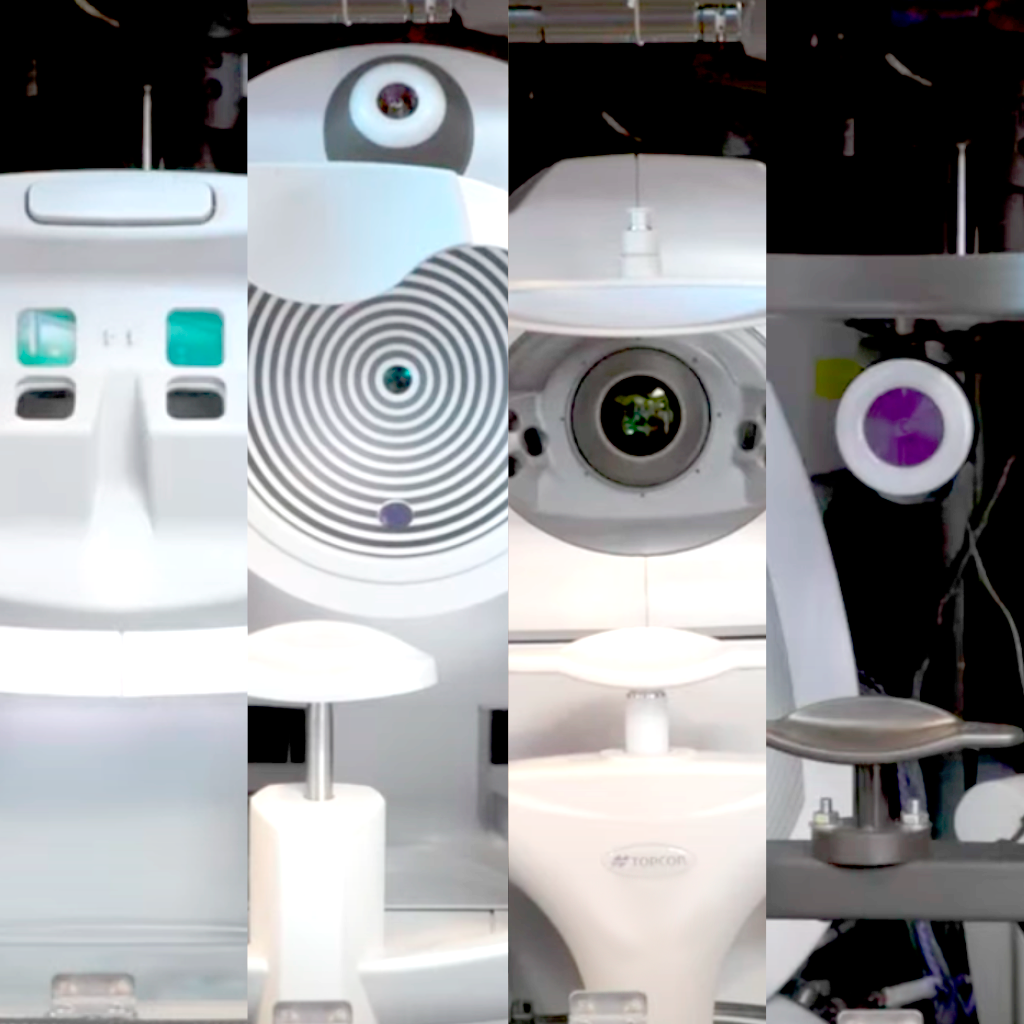
Testing at the Globe begins with a visual acuity check. Next, an auto-refraction is performed to determine an approximate eyeglass prescription. Eye pressure is measured, followed by taking a high-definition photo of both the external eye and the retina. An OCT, an essential part of any thorough eye exam, is then conducted to evaluate the optic nerve and macula for signs of glaucoma and macular degeneration. The cornea is checked for thickness, and the angle is assessed for any signs of an impending acute attack of vision-threatening high pressure in the eye. Finally, the degree of cloudiness of the lens (cataract) is evaluated. The entire process typically takes about 8 minutes.
Every user will have their tests reviewed by one of our optometrists. A report will be sent to the patient with the appropriate diagnosis and recommendations for follow-up care. A telemedicine consult is available to review the findings.
Powered By

Frequently Used Terminology
Retina – The light sensitive nerve layer in the back of the eye
Cornea – The clear window of the eye
Angle – The “drain” of the eye